

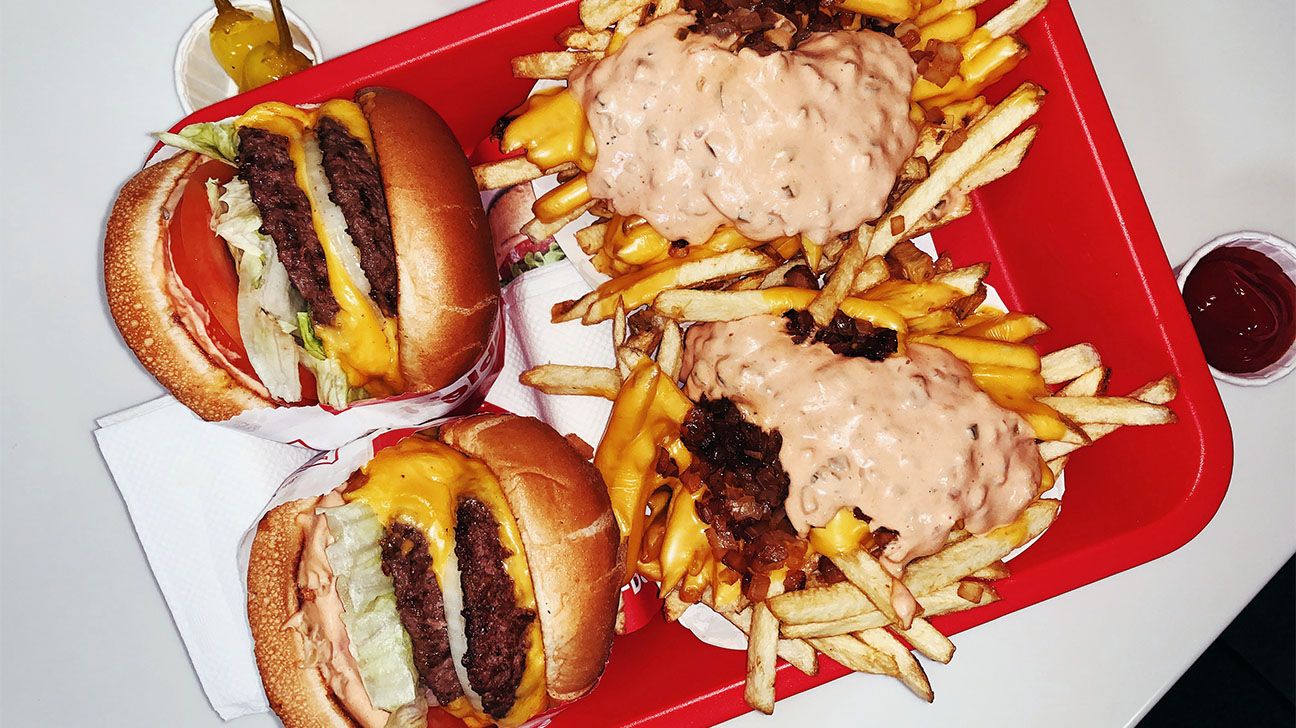
- One recent study concluded that ultraprocessed foods (UPFs) could be just as habit-forming as cigarettes.
- The study authors observed that UPFs are engineered to maximize reward and speed up the absorption of rewarding ingredients.
- The habit-forming property of such products means they fuel compulsive consumption and hinder appetite regulation.
- The researchers recommend that UPFs should be subject to regulations akin to those for cigarettes.
Right now, there is no one agreed-upon definition of ultraprocessed foods. Many describe them as foods that contain additives you would not find in a home kitchen, like stabilizers and additives.
Numerous experts rely on the NOVA food categorization to identify UPFs. This talks about foods that contain “combinations of ingredients, mostly of manufacturing origin, often made by a series of industrial techniques and methods.”
One new paper featured in The Millbank Quarterly proposed that UPFs may be just as habit-forming as cigarettes.
“It is my view with this study, as ultra-processed foods are specifically engineered to be extremely attractive to most individuals,” noted a weight loss specialist who was not involved in the study.
Research from last year suggests that more than 73% of the food supply in the US is classified as highly processed.
“Tobacco and UPFs are not just natural products but highly engineered delivery systems designed specifically to optimize physical and mental reward and repeated intake,” wrote the new study’s research team.
Can UPFs Addictive?
The review combined insights from addiction, historical health policy, and dietary science in order to highlight sensory and structural qualities that enhance the rewarding nature of both cigarettes and UPFs.
“Not everyone is ‘hooked’ to such products, but for a meaningful minority, they cause typical habit-forming behaviors: intense desires, loss of control, and continued use despite harmful consequences,” said a heart health nutrition expert.
“These products are intentionally designed with processed carbohydrates, extra oils, salt, and taste additives to maximize reward and repeat consumption, and the food sector uses aggressive marketing tactics, particularly targeting young people,” she continued.
Scientists examined five key areas:
- delivery speed
- pleasure-based design, or creating products to be irresistibly good
- dose optimization
- environmental ubiquity
- misleading changes, or “wellness branding”
It was observed that, similar to cigarettes, ultraprocessed foods are carefully calibrated to deliver the optimal amount of sugar.
“Refined carbohydrates trigger the feel-good chemical release via the a key neural pathway, whereas fats do so via fat detection in the gut,” the researchers noted.
“… UPFs with significant amounts of processed carbs and added fats are among the most strongly reinforcing foods in the modern diet. Notably this processed carb and fat mix is rarely found in whole foods.”
How these foods quickly introduce “pleasure-inducing” substances to the mind makes them potentially addictive, similarly to cigarettes.
The review explained that while cigarettes are engineered to provide nicotine rapidly, ultraprocessed foods are formulated to rapidly digest and absorb, as they typically have minimal dietary fiber. This allows for the system to process fat and sugar more quickly.
Authors also point out that UPFs give intentional intense tastes that fade quickly and textures that dissolve easily. This all helps to deliver increased pleasure signals and prompts you to eat more.
‘Wellness Branding’ in Cigarettes, Ultraprocessed Foods
Based on the analysis, both the cigarette and processed food sectors have long used a tactic called “wellness branding.”
This is when products are marketed and altered to create an perception of less danger while maintaining the essential addictive properties.
This tactic in the cigarette sector became popular in the mid-20th century with the introduction of filters on smokes.
They were sold as safety features that would catch tar and particles prior to they reached the lungs. Actually, these tips provide minimal meaningful benefit.
However, people typically adjusted by inhaling deeper or increasing consumption, which negated any reduction in toxin exposure.
Food manufacturers has adopted a similar strategy. It uses labels such as “low fat” or “no sugar added” to promote ultraprocessed foods.
However, these items often retain the very addictive formulations. The problem is that these reformulations offer a surface-level appearance of wellness while the item’s addictive structure and metabolic harms remain intact.
Ought UPFs Be Regulated?
The authors noted at the conclusion of their paper that nourishment and smoking products are not the same thing.
Still, they warned that some ultraprocessed foods function like highly optimized consumables rather than actual food. They proposed that health regulations ought to acknowledge this distinction.
“Tobacco provides a warning, and smoking regulations offers a model of potential,” the authors wrote.
Due to regulations, smoking levels in the US have fallen and have “reshaped public perception of smoking and diminished confidence in the sector.”
“It is my opinion greater awareness about the harmful effects of UPFs is essential to reduce public intake and improve population wellness. The strategies used to reduce tobacco use have been effective and could be a useful blueprint for ultra-processed foods as well,” said one specialist.
“It is not my view UPFs should be controlled precisely as cigarettes, but they certainly deserve stronger, tobacco-inspired policies: marketing restrictions, clear packaging warnings, tighter rules on wellness assertions, and restrictions in schools or medical facilities,” noted another dietitian.
The researchers pointed out to people that minimally processed and unprocessed foods have sustained human health for millennia.


